Start a Conversation
Start a Conversation →
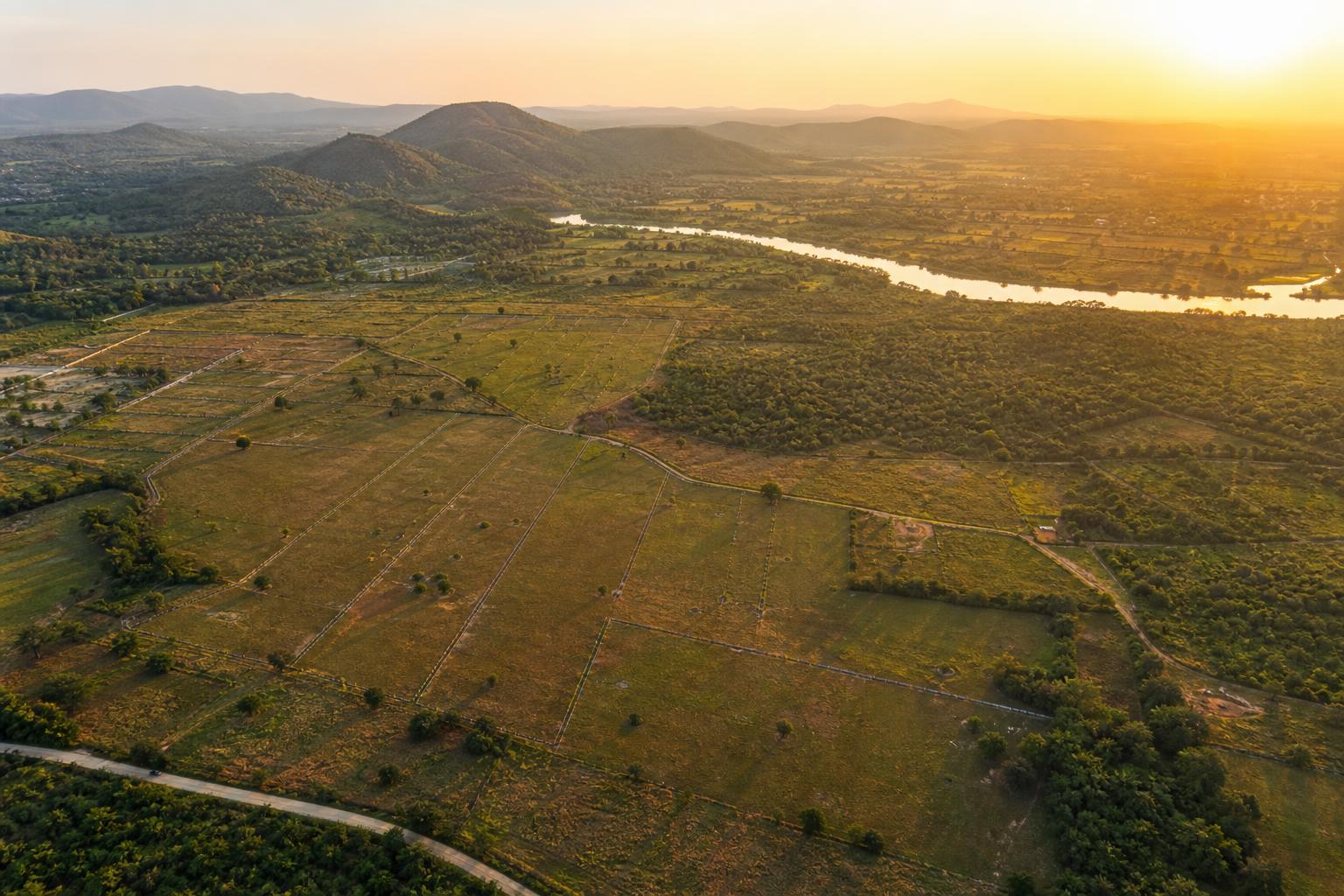
Aerial view of land being assessed for real estate development
The Upstream Difference

From Terrain to Collections

Six stages. Full accountability. Concept to last cheque. We do the upstream work nobody else does, and we stay until the outcome is real.

Terrain
Concept
Pricing
Machine
Launch
Collections
Without Activation vs With TerrumEdge

Why we do it differently.

Most real estate is sold, not activated. A broker lists it, waits for a buyer, and collects a fee. TerrumEdge runs the entire upstream process that determines whether a project actually performs.

Without Activation

What happens when nobody does the upstream work.

  • × Concept never designed for the market.
  • × Pricing built backwards from developer margin.
  • × Sales dependent on brokers who leave when incentives shift.
  • × No investor narrative.
  • × No verified buyer pipeline.
  • × Carrying cost compounding.
  • × Velocity flat.
With a TerrumEdge Mandate

What changes when we run the full process.

  • Concept designed from terrain and buyer analysis upward.
  • Pricing floor protected.
  • Step-up structure from Day 1.
  • Inside sales machine owned by the mandate.
  • Verified investor pipeline engaged before launch.
  • Absorption moving.
  • Capital returning.
  • Developer sleeping.

Six stages. One mandate.

Each stage is a gate. Nothing moves forward until the prior stage is signed off. This is how land becomes wealth, not just inventory.

01

Terrain

Before a name is chosen, before a render is drawn, we read the ground. Micro-market dynamics, regulatory zoning, competitive mapping. We need to know what the land can support before we decide what it should become.

What happens
Micro-market read. Regulatory zone identification. Competitive map of every active and planned project within the catchment. Demand-supply gap analysis. Site visits, title verification, and zoning clearance. No concept is drafted until the terrain clears.
01STAGE 01TERRAIN
02

Concept

What should this land become? The answer is not driven by what the developer wants to build. It is driven by who will buy, why they will buy, and what the investment thesis looks like at exit. Buyer persona first, product second.

What happens
Buyer persona development. Investment thesis construction. Product fit analysis against terrain constraints and market demand. Architectural brief aligned to buyer, not to developer preference. The concept is built from the buyer backward.
02STAGE 02CONCEPT
03

Pricing

Pricing is not what the developer needs to recover. Pricing is what the investor must pay to hit their IRR target. We build pricing from investor returns backwards, protect a floor below which the price never drops, and structure a phased step-up from Day 1.

What happens
IRR-based pricing model. Floor price protection mechanism. Phased step-up structure calibrated to absorption velocity. Every price point tested against investor yield requirements before release. Never below floor, not on day one, not on the last unit.
03STAGE 03PRICING
04

Machine

A sales office and a broker network is not a machine. We build an inside sales engine, a digital funnel, a curated channel network, and dedicated NRI and HNI outreach. Every lead, every conversation, every data point is owned by the mandate, not by a third party.

What happens
Inside sales team deployment. Digital funnel architecture. Channel partner curation and onboarding. NRI and HNI outreach programs. CRM and lead data owned by the mandate. Sales playbook and objection handling built from buyer persona work in Stage 02.
04STAGE 04MACHINE
05

Launch

Most launches open a sales office and hope. By the time we launch, a verified investor pipeline is already engaged. They have seen the concept, reviewed the numbers, and indicated intent. The launch is a conversion event, not a marketing gamble.

What happens
Verified investor pipeline active before the sales office opens. Pre-launch investor briefings completed. Soft allocation to qualified investors. Launch day designed as a conversion event with warm leads. Absorption velocity tracked daily, pricing stepped up per plan.
05WEEK 1SOLDSTAGE 05LAUNCH
06

Collections

A mandate does not close when the last unit is sold. It closes when the last cheque clears. Collections, follow-through, handover coordination, and post-sale investor reporting are all part of the mandate. We stay until capital has returned and outcomes are real.

What happens
Payment tracking and collections management. Handover coordination. Post-sale investor reporting. Rental deployment or resale support where applicable. Mandate closes when the last cheque clears, not when the last unit is allocated.
06RENT HITS YOUR BANKSTAGE 06COLLECTIONS
Alignment

We Earn On Outcomes. Not On Listings.

TerrumEdge is a capital-light, orchestrator model. We do not buy land. We do not build. We activate. Revenue is tied to mandate outcomes, not to listing fees or brokerage commissions. When the developer wins, we win. When investors get returns, our model compounds. The alignment is structural, not rhetorical.
Fewer Than 3 in 10
Projects Clear Our Filter

Want to see how a TerrumEdge mandate works in practice?